
It’s 6:45 a.m., and you notice the sunlight sliding across your bathroom counter, catching in the strands of hair you’re brushing. Your fingers linger over the roots, feeling the familiar texture, the subtle changes that time has brought. There’s a small ritual here, almost unnoticed: preparing your hair for the day, smoothing it, checking the shade, wondering if the color still holds its warmth.
There’s a quiet sense that your hair is both a memory and a present marker of who you are. Some mornings it feels like it has a life of its own, reflecting the years, the weathered days, the laughter and worry, and even the gentle self-care routines you’ve collected along the way.
You’ve probably noticed that commercial dyes often promise brilliance but leave a shadow of dryness or fragility in their wake. The pull of chemicals, even when subtle, seems to speak of a tension between wanting vibrant color and wanting to protect the hair that has carried you through decades. That’s why many turn to henna—a plant-based, ancient option that offers warmth and depth, without the chemical tug on your strands.
The Feeling of Being Out of Sync
Yet, even with henna, there’s a sense of experimentation. You may have found yourself pausing before mixing powders, hesitating to try new blends. Hair seems to be a delicate rhythm; a shade too deep or too light feels slightly out of sync with the rest of you, like wearing shoes a half size too small. It’s not just color—it’s your reflection, your identity, and your comfort all wrapped in one.
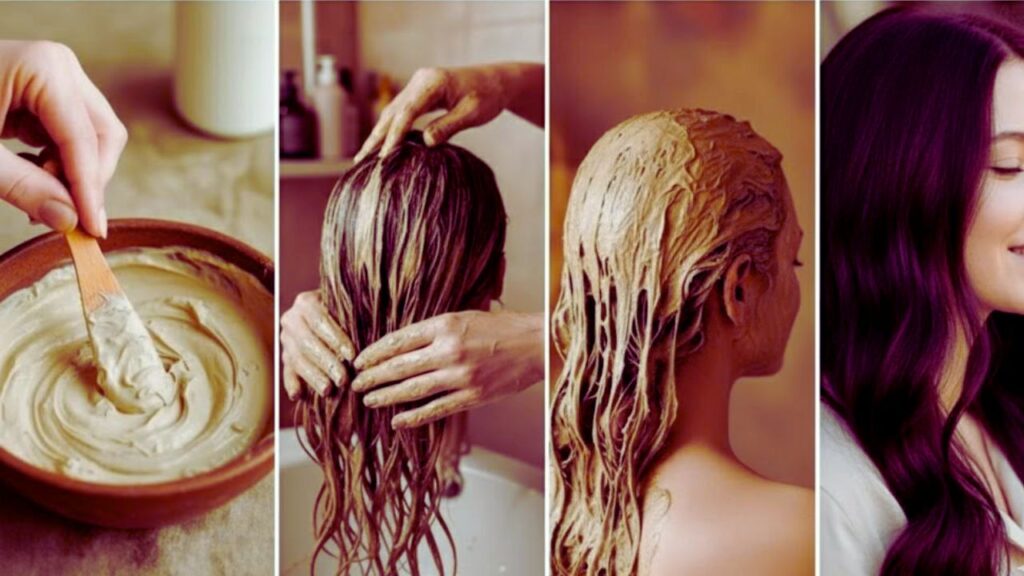
For many, the act of coloring hair is more than aesthetics. It’s a gentle negotiation with time. You may notice that the familiar reds and browns from years ago now behave differently on hair that’s finer or has shifted in texture. There’s a rhythm to applying henna, mixing it, leaving it to set, and rinsing it out. And when you get it right, the result is not just color—it’s a quiet satisfaction that matches your internal sense of self.
Understanding Henna Blends
Henna, in its purest form, leaves a warm reddish-orange hue. But the beauty of blending comes from nature’s palette: indigo leaves for brown and black tones, amla for softening, coffee or cocoa for warmth. These blends do more than change color—they interact with your hair gently, coating rather than stripping, staining rather than damaging. The effect is cumulative; each application deepens richness, leaving strands soft, nourished, and flexible.
For instance, adding a bit of indigo powder to your henna creates shades that lean toward deep brown or black, depending on the proportion and the length of time it sits. Cocoa powder can add subtle chocolate undertones, particularly flattering on hair with natural warmth. Amla or hibiscus can lighten red highlights while also improving texture, giving the hair a softer feel and a subtle sheen.
Meena, 62, shared her quiet routine: “I sit by the window in the morning, mixing henna and indigo in a ceramic bowl. I can smell the earthy scent, and it reminds me of summers spent in the garden. I leave it on just long enough, and when I rinse it, the color is like a memory, deep and comforting.”
What’s Happening to Hair
When you apply a henna blend, you’re engaging with a coating process. The plant particles bind to the hair shaft, filling in minor gaps in the cuticle and leaving a protective layer. Unlike chemical dyes, henna doesn’t lift or weaken hair fibers. Instead, it strengthens the strand, reduces frizz, and enhances shine. Over time, hair feels more resilient, less prone to breakage, and carries a natural vibrancy that’s not forced or synthetic.
Because henna’s effects build gradually, it encourages a gentle rhythm rather than instant transformation. This is part of the quiet wisdom of plant-based hair care: it asks for patience, observation, and attention to the hair’s own response.
Practical Adjustments for Richer Color
You don’t need a strict routine to enjoy these benefits. Small adjustments can enhance the richness of your hue without adding stress:
- Mix henna with slightly warm water or herbal teas for a smoother paste and deeper color absorption.
- Experiment with small portions of indigo or cocoa to gradually adjust the shade instead of aiming for drastic changes.
- Leave the paste on for 2–4 hours, depending on the depth you prefer, but listen to your comfort—longer isn’t always better.
- Rinse with lukewarm water and a gentle, sulfate-free cleanser to avoid stripping the newly formed layer.
- Schedule touch-ups according to your hair’s natural growth, rather than on a rigid calendar.
“I’ve learned to enjoy the wait, the smell of herbs, and the slow shift in color. It feels less like covering time and more like honoring it.”
Embracing the Shift
Using henna blends is less about fighting change and more about participating in it. The process gives you a moment of connection with your own care, an awareness of time’s passage, and a way to celebrate your hair’s resilience. There’s no rush, no need for perfection—just a steady, observant engagement with each strand and shade.
Over time, you may notice that your hair feels softer, richer, and more responsive. You may also find that the ritual itself—mixing, applying, waiting—becomes a meditative pause in your day, a space where you attend to yourself quietly and lovingly.

Gentle Takeaways
Henna blends offer a path that respects hair, age, and natural beauty. They remind you that care can be slow, patient, and effective. Each application is a small dialogue with yourself, a subtle acknowledgment that richness comes from observation, not force. And through this process, you reconnect with the simple pleasure of looking in the mirror and seeing a reflection that feels entirely yours.
| Key point | Detail | Value for the reader |
|---|---|---|
| Blend Ingredients | Henna, indigo, cocoa, amla, hibiscus in various proportions | Enables rich, customizable color without chemical damage |
| Application Time | 2–4 hours depending on desired shade | Builds gradual depth and warmth, reduces hair stress |
| Rinsing Technique | Lukewarm water with gentle cleanser | Preserves coating layer and softness |
| Frequency | As hair naturally grows, not on a rigid schedule | Encourages observation of hair health and personal rhythm |
| Overall Effect | Protects and nourishes hair while providing rich color | Supports long-term hair resilience and self-connection |
