
The banana in your bag is probably just an afterthought. You tossed it in quickly, between your keys and headphones, promising yourself that today would be a “healthier” day. By 11 a.m., as your stomach growls louder than your inbox, that bruised yellow fruit suddenly looks like a lifeline. You peel it absentmindedly while scrolling, standing between two meetings, half-focused, half-exhausted. Two minutes later, it’s gone, and you move on. But your body is having a different conversation with that banana.
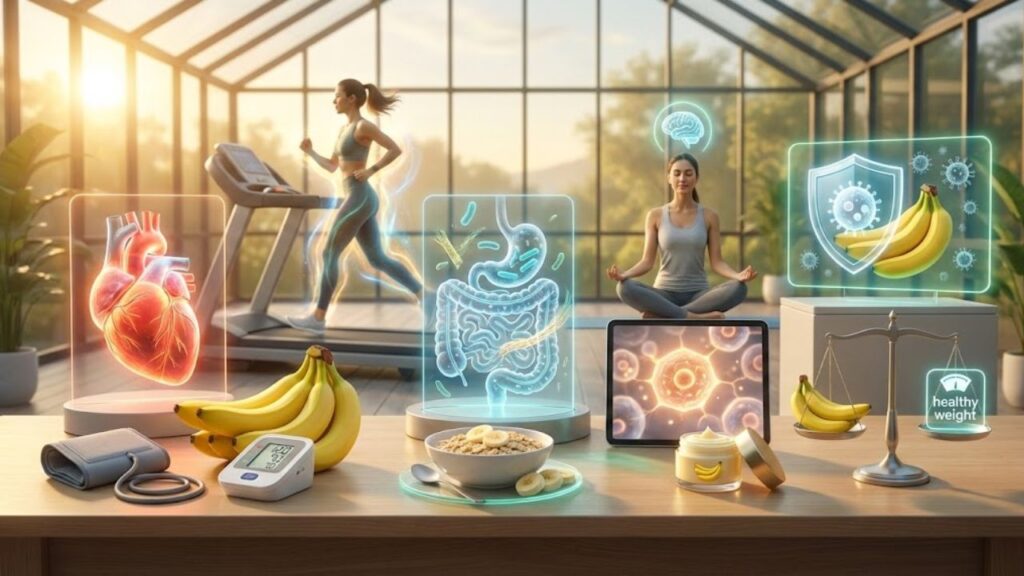
Why Bananas Feel Like Instant Energy (And What’s Really Happening)
Take a bite of a ripe banana and you’ll immediately understand why athletes swear by them. The texture is soft and comforting, the taste familiar and sweet without being overpowering. Within 15–20 minutes, a calm wave of energy washes over you, not the jittery rush that comes with coffee or candy. It’s as if your body is gently refueling in the background.

The secret behind that feeling is the natural sugars paired with fiber. The sugar enters your bloodstream gradually, preventing a sharp spike in blood sugar levels. Instead, it rises gently, like climbing a hill, giving you sustained energy.

Sports dietitians often recommend bananas before or after a workout. It’s not magic, but they provide a perfect combo your muscles crave: carbs for fuel, potassium to help avoid cramping, and a touch of vitamin B6 for energy metabolism. Picture a marathon start line: some runners rely on gels and powders, while others just calmly eat a banana.
There’s even research comparing bananas to commercial sports drinks. The result? Similar benefits, but with the added bonus of antioxidants and real fiber from the banana—not just empty carbs in a bottle. That’s a quiet win.
The Biological Benefits of Bananas
On a biological level, a medium-sized banana provides around 100 calories, mostly from carbohydrates. These carbs come in three forms: glucose, fructose, and sucrose. The soluble fiber, particularly pectin, slows down digestion, so the sugar is gradually absorbed into your bloodstream. This steady flow of glucose is one reason why a mid-morning banana can help clear the fog you often attribute to lack of sleep.
**Your muscles store some of those carbs as glycogen**, which acts as a battery. Whether you’re rushing to catch the bus or carrying shopping bags up three flights of stairs, that banana is helping fuel your body.
Hidden Benefits for Gut, Mood, and Heart
If you’ve ever eaten a banana with some green left on the peel, you were doing your gut microbiome a favor. Less-ripe bananas are rich in resistant starch, a type of carbohydrate that’s not easily digested by your body, but your gut bacteria thrive on it. This means better microbiome diversity and improved digestion over time.
As bananas ripen, they become sweeter as the resistant starch turns into sugar. So, the exact same fruit offers slightly different benefits depending on its ripeness.
Most people associate bananas with potassium, and for good reason. One banana covers about 10% of your daily potassium needs, which supports nerve function and muscle contraction. Potassium also helps balance sodium levels and regulate blood pressure. A diet that includes fruits like bananas regularly is linked to a lower risk of stroke and heart disease. This isn’t magic—it’s just steady, nutritious habits.
When you’re feeling stressed and reach for a salty, ultra-processed snack, a banana won’t “fix” the stress. But it does nudge your body in the opposite direction: less sodium overload and more calming minerals.

Bananas also contain vitamin B6, which helps your body produce neurotransmitters like serotonin and dopamine. No, a banana won’t cure depression, but eating nutrient-dense food regularly provides your brain with the raw materials it needs to function well. It’s not about magic pills; it’s about consistent support.
How to Eat Bananas for Maximum Benefit
Bananas can either be a great ally or just another sugar rush, depending on when and how you eat them. On their own, they make for a quick snack, but pairing them with protein or healthy fats can transform them into a more stable source of energy. Try pairing a banana with peanut butter, a handful of nuts, or some plain yogurt to help balance your blood sugar for a longer time.
If you exercise, eating a banana 30–45 minutes before a run or workout gives you a light but steady source of energy. Post-workout, combine a banana with protein (like yogurt or eggs) to help your muscles recover and replenish their glycogen stores. This is how athletes use them, without overthinking it.
People trying to eat “clean” often swing between extremes. One week they demonize bananas as “too sugary,” and the next, they live on banana smoothies. Let’s be honest: **nobody really does this every single day.** Real life is messy, and some days you just grab whatever’s available.
A more realistic approach is to use ripeness to your advantage. Go for greener bananas for slower energy and gut benefits, and choose sweeter, spotted bananas when you need quick fuel or as a dessert replacement. The issue often isn’t the banana itself, but the other sugary items that come with it.
“The problem isn’t usually the banana,” says a nutrition coach I spoke with. “It’s the pastry, the latte, and the late-night snacks on top of it. The banana just happens to be visible, so it gets all the blame.”
Practical Tips for Using Bananas to Your Advantage
- Pair with protein or fats: This helps manage cravings and keeps you fuller for longer.
- Swap, don’t add: Replace cookies or pastries with bananas instead of eating them on top of each other.
- Pay attention to timing: Eat earlier in the day or around movement, not right before sleep if you’re sensitive to sugar.
- Avoid “healthy” disguises: Banana bread, muffins, and smoothies with syrup aren’t the same as eating the fruit itself.
- Listen to your body: If you experience an energy crash after eating a banana alone, pair it with something else. If you feel great before a workout, take note.
The Quiet Power of an Ordinary Fruit
The true power of the banana is almost understated. It won’t hack your metabolism overnight or give you glowing skin in three days. What it does is show up, again and again, as a reliable source of fiber, potassium, vitamin B6, and steady carbs that most bodies handle well. That’s not clickbait—that’s daily life.
Some people might need to be more cautious with bananas. If you live with diabetes, you might prefer smaller bananas, pair them with protein, or choose less ripe ones. If you have kidney issues, you may need to limit potassium, bananas included. The goal isn’t to crown bananas as kings, but to see them clearly, without diet drama.

The next time you pull a bruised banana from your bag, you’ll understand more about its benefits. Whether you eat it slowly or inhale it between emails, your body will quietly put it to work.
Key Points
- Steady energy: A mix of natural sugars plus fiber that causes a gradual blood sugar rise, preventing crashes and mid-morning fatigue.
- Heart and muscle support: Rich in potassium, vitamin B6, and moderate carbs, bananas support blood pressure, nerve function, and active lifestyles.
- Gut and mood benefits: Resistant starch, pectin, and essential nutrients contribute to digestion and long-term mental well-being.
