
Breathing is something we do every moment, yet most people rarely think about how well they breathe. In India, where air quality, stress, and sedentary lifestyles often affect respiratory health, yoga offers a gentle and effective solution. Practicing specific yoga poses can help expand the lungs, improve oxygen intake, and support overall respiratory strength. This article explores how yoga can naturally enhance lung capacity, calm the nervous system, and make everyday breathing feel easier, deeper, and more controlled, especially when practiced consistently and mindfully.
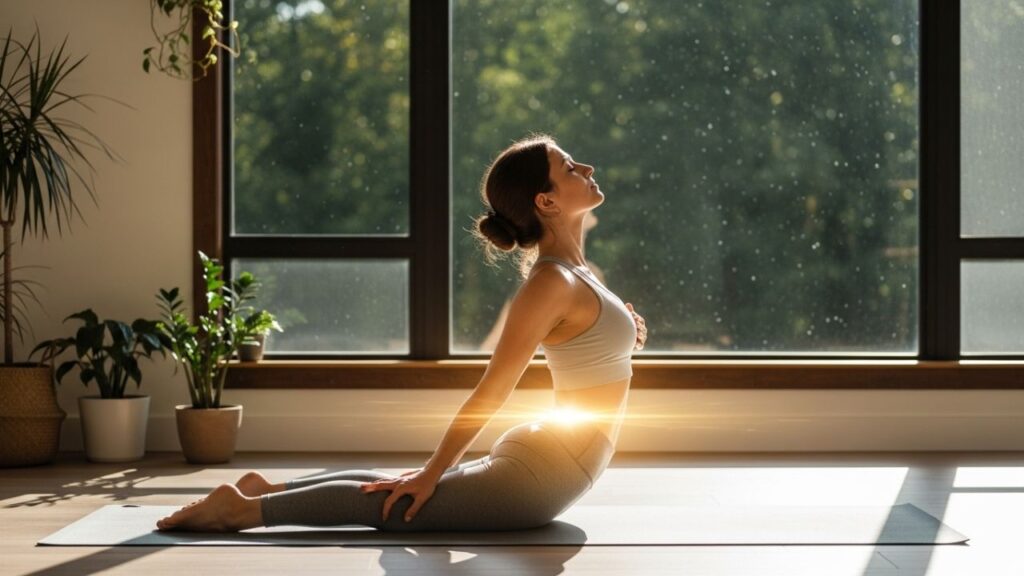
Yoga poses to improve breathing control naturally
Yoga focuses heavily on synchronizing movement with breath, which makes it especially powerful for respiratory health. Certain poses encourage slow, deep inhalations and full exhalations, training the lungs to work more efficiently over time. When you practice regularly, you begin to notice deeper inhalation, smoother airflow, and better awareness of each breath. These poses also activate the diaphragm and rib muscles, promoting chest expansion and improved posture. Over time, this leads to steady oxygen flow throughout the body and helps reduce shallow breathing habits. Many practitioners also experience calmer breathing rhythm, which can ease anxiety and support relaxation. The key is consistency and focusing on breath awareness rather than rushing through movements.

Yoga for lung capacity and respiratory strength
Building lung capacity is not just about taking bigger breaths; it’s about training the lungs to fully expand and contract with ease. Yoga poses that gently stretch the torso and open the shoulders help create more space for the lungs. This improves lung flexibility and supports better air intake during both exercise and rest. With regular practice, the body adapts by improving respiratory endurance, making physical activity feel less tiring. These poses also encourage diaphragm activation, which plays a major role in efficient breathing. Over time, many people notice they can hold their breath longer and recover faster after exertion, reflecting stronger and healthier lungs.

Breathing-focused yoga poses for daily wellness
Incorporating breathing-focused yoga into your daily routine can have benefits beyond lung health. These poses help release tension in the upper body, allowing relaxed chest muscles to support smoother breathing. As breath quality improves, the body experiences improved oxygen delivery, which can enhance energy levels and mental clarity. Regular practice also supports stress reduction by calming the nervous system and lowering rapid breathing patterns. Over time, this leads to balanced breathing habits that carry over into daily life, whether you’re walking, working, or resting. Even short sessions can make a noticeable difference when practiced mindfully.
How yoga supports long-term breathing health
Yoga works on both the physical and mental aspects of breathing, making it a sustainable practice for long-term respiratory health. By combining posture, controlled movement, and breath awareness, it trains the body to breathe more efficiently even outside practice sessions. Over time, this can lead to stronger lung muscles and greater breath awareness throughout the day. Yoga also encourages mind-body connection, helping practitioners recognize poor breathing habits early. As consistency builds, many experience lasting respiratory comfort, especially when yoga is paired with a healthy lifestyle. This holistic approach makes yoga a practical tool for maintaining healthy lungs over the long run.
| Yoga Pose Type | Main Breathing Benefit | Recommended Duration |
|---|---|---|
| Chest-opening poses | Improves lung expansion | 30–60 seconds |
| Forward bends | Enhances exhalation | 20–40 seconds |
| Seated breathing poses | Builds breath control | 5–10 minutes |
| Gentle backbends | Increases oxygen intake | 15–30 seconds |
Frequently Asked Questions (FAQs)
1. Can yoga really improve lung capacity?
Yes, regular yoga practice can gradually enhance lung capacity by training deeper and more efficient breathing.

2. How often should I practice yoga for better breathing?
Practicing breathing-focused yoga at least 4–5 times a week shows noticeable benefits over time.
3. Is yoga safe for people with mild breathing issues?
Most gentle yoga poses are safe, but consulting a healthcare professional is recommended for existing conditions.

4. How long does it take to see breathing improvements?
Many people notice better breathing control within a few weeks of consistent practice.
