
In today’s fast-moving work culture, staying focused and productive can feel like a daily challenge, especially for professionals and students in India juggling long hours and constant screen time. Yoga offers a simple, proven way to sharpen concentration while calming the mind. Certain poses are known to improve mental alertness, reduce stress, and help you work with more clarity. By practicing the right postures regularly, you can train your body and mind to stay present, energized, and efficient throughout the day without relying on caffeine or quick fixes.
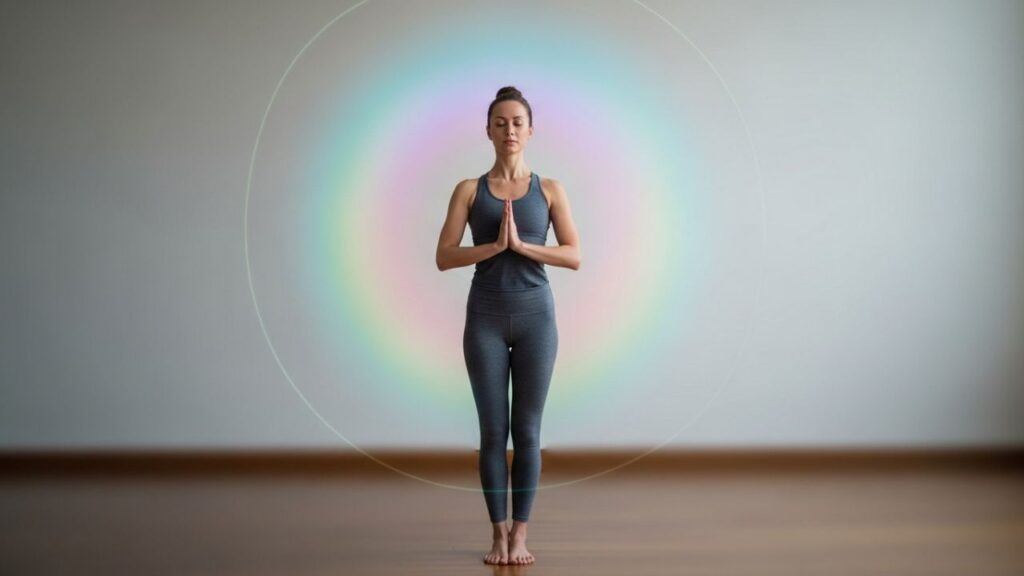
Yoga poses for improving focus and concentration
Several yoga poses directly support better focus by teaching you how to stay present in the moment. Poses like Tree Pose, Mountain Pose, and Eagle Pose require balance and awareness, gently training your brain to block out distractions. When you hold these postures, you naturally practice mindful breathing, which helps quiet racing thoughts. Over time, this builds mental clarity and strengthens your ability to concentrate on one task at a time. Regular practice also improves steady attention, making it easier to remain engaged during meetings or study sessions. These poses are especially helpful for creating workday focus without mental fatigue.

Yoga poses that support productivity and energy
Productivity isn’t just about working harder; it’s about working smarter with a balanced body and mind. Yoga poses such as Warrior II, Chair Pose, and Downward-Facing Dog activate large muscle groups while keeping the mind alert. These postures improve posture alignment, which reduces physical strain during long hours of sitting. They also stimulate the nervous system, helping you feel awake without feeling stressed. As circulation improves, you gain sustained energy that lasts through the day. This physical engagement creates cognitive balance, allowing you to stay productive without burning out.

Best yoga poses to boost mental performance
Some yoga poses work deeply on mental performance by increasing blood flow and calming the mind at the same time. Forward bends and gentle inversions, like Seated Forward Fold and Legs Up the Wall, enhance brain oxygenation, which supports sharper thinking. These poses are excellent for improving distraction control after long periods of screen exposure. As the mind relaxes, you may notice improved problem-solving and creative flow. Practicing these poses regularly can also enhance task efficiency, helping you complete work with less effort and more confidence.
How these yoga poses fit into daily life
The real benefit of yoga comes from how easily it can fit into your daily routine. You don’t need long sessions or advanced flexibility to see results. Even ten minutes a day builds daily consistency, which is key to long-term focus and productivity. Yoga strengthens the mind body link, helping you notice when stress or fatigue starts to affect your work. Over time, these practices turn into positive performance habits that support both mental and physical health. The result is a state of calm productivity that feels natural rather than forced.
| Yoga Pose | Main Benefit | Recommended Duration |
|---|---|---|
| Tree Pose | Improves balance and concentration | 30–60 seconds |
| Warrior II | Builds stamina and mental strength | 45–90 seconds |
| Chair Pose | Boosts energy and focus | 30–45 seconds |
| Downward Dog | Refreshes mind and body | 60 seconds |
| Seated Forward Fold | Calms the nervous system | 60–120 seconds |
Frequently Asked Questions (FAQs)
1. How often should I practice yoga for better focus?
Practicing these poses at least four to five times a week delivers noticeable improvements.

2. Can beginners do these yoga poses safely?
Yes, all poses can be modified and are suitable for beginners with basic guidance.
3. How long before I see productivity benefits?
Many people notice better focus and energy within two to three weeks of regular practice.

4. Is yoga better than meditation for concentration?
Yoga and meditation complement each other, but yoga adds physical movement that many find easier.
